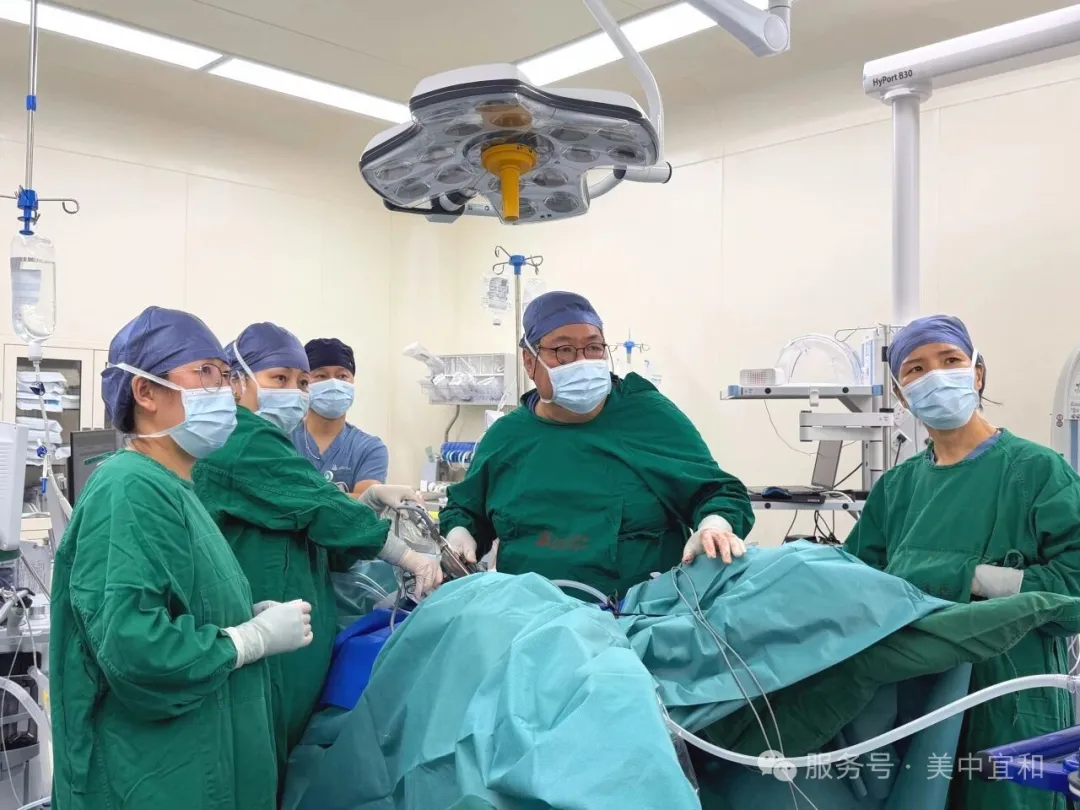
The Patient: A Shocking Discovery at Age 20
Early 20s, unmarried, nulliparous, severely obese
Incidental finding during routine physical exam
Single anterior intramural fibroid, 9cm; uterus enlarged to 10-week pregnancy size
Next-day discharge; no pain by Day 4; single hidden umbilical incision
In her early 20s, Xiao Rui (name changed) never imagined a casual checkup would change everything. She had always thought her protruding belly was simply weight gain. It wasn't.
"I always thought women only got uterine fibroids in middle age. Does a 9cm fibroid mean open surgery? I'm not even married yet — will I have a long, ugly scar?"
Because of her severe obesity, the thick abdominal wall had masked the underlying pelvic mass. She had no heavy menstrual bleeding or other warning signs. A routine gynecological ultrasound revealed the truth:
- Single uterine fibroid measuring approximately 9 cm in diameter
- Uterus enlarged to roughly the size of a 10-week pregnancy
- Location: Anterior uterine wall, intramural, partially subserosal
- Classification: "Giant uterine fibroid" (≥8–9 cm or ≥800 g)

Expert Consultation: Demystifying Fibroids
Accompanied by her family, Xiao Rui consulted Prof. Sun Dawei at AMCARE Beijing. In the clinic, he patiently addressed every fear:
Key Patient Concerns: Age & fertility preservation · Need for scarless surgery · Fear of open abdominal surgery · Recovery time · Safety with obesity
Prof. Sun explained:
- Uterine fibroids have no age limit. Hormonal fluctuations, obesity, and irregular lifestyle can all contribute.
- Regular gynecological ultrasound screening is essential for all adult women, regardless of age or sexual history.
- Xiao Rui's young age and high estrogen levels had fueled rapid fibroid growth, allowing it to reach 9cm before detection.
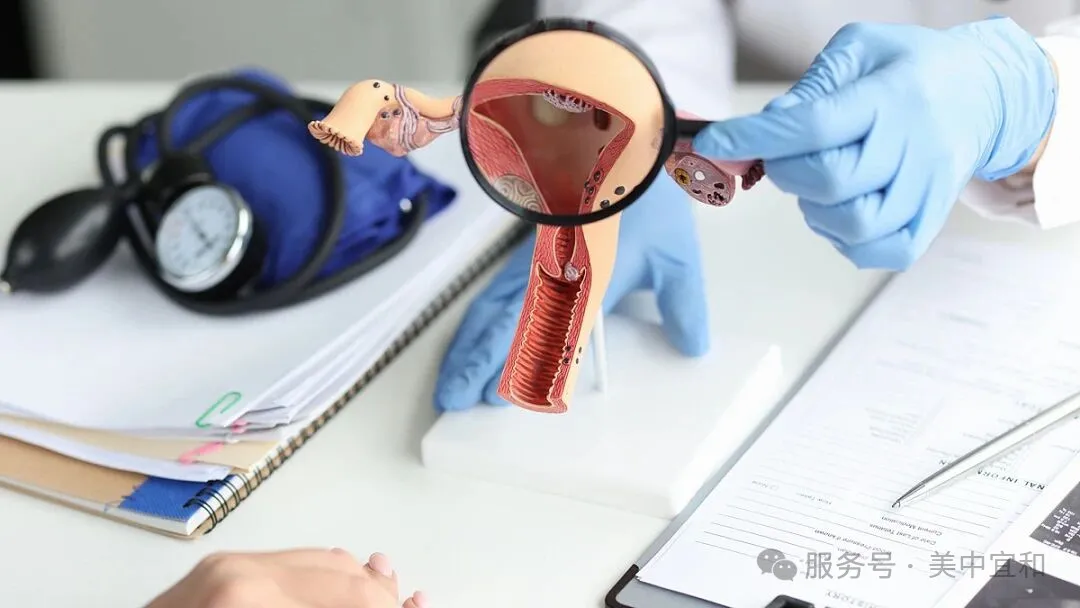
Why Surgery Was Necessary
At 9cm, Xiao Rui's fibroid had crossed into the "giant fibroid" category. Watchful waiting was no longer appropriate because:
- Symptomatic risk rises sharply with fibroids of this size
- Potential for heavy bleeding, anemia, pelvic pressure, urinary frequency, and constipation
- Fertility could be compromised if the fibroid continued to grow
- Open abdominal surgery would cause large scar, slower recovery, and greater trauma
Primary treatment goal: completely remove the fibroid while preserving the uterus and maximizing fertility potential.
The Surgical Plan: Transumbilical Single-Port Myomectomy (LESS-M)
Given Xiao Rui's age, unmarried status, obesity, and strong desire for a scar-free outcome, Prof. Sun recommended transumbilical single-port laparoscopic myomectomy (LESS-M):
Conventional Open Surgery
- Large abdominal incision (10–15 cm)
- Significant tissue trauma
- Longer recovery and hospitalization
- Prominent permanent scar
- Higher adhesion risk
Transumbilical Single-Port (LESS-M)
- Single ~2 cm incision inside the navel
- Scar hidden in natural umbilical fold
- Minimal abdominal wall trauma
- Preserves uterine function and fertility
- Faster recovery
Prof. Sun's extensive experience in single-port laparoscopy — thousands of successful cases — gave Xiao Rui the confidence to proceed.
Three Major Technical Challenges
This was far from a routine operation. The surgical team had to navigate three distinct hurdles:
1. The Anesthesia Challenge
With severe obesity, airway management and intraoperative ventilation become significantly more difficult. Dr. Li, the attending anesthesiologist, performed a focused airway assessment:
- Detailed evaluation of mouth opening and airway anatomy
- Prepared difficult-airway backup equipment: video laryngoscope and video laryngeal mask
- Emergency airway plan ready to ensure ventilation at all times
2. The Bleeding Risk
A 9cm fibroid carries substantial blood supply. To reduce intraoperative bleeding, the team decided on a preoperative medical shrinking protocol:
Preoperative preparation: Medication was administered to shrink the fibroid from approximately 9cm down to around 7cm, reducing vascularity and making excision safer.
3. The Surgical Access Challenge
Single-port surgery through a 2cm umbilical incision is inherently demanding:
- All instruments share one channel — easy for tools to interfere with each other
- Limited workspace — every movement must be precise
- Fibroid was hard and dense, with blurred boundaries between the tumor core and outer capsule
- Rich blood supply meant any bleeding could rapidly obscure the operative field
The Procedure: Precision Under the Microscope
During surgery, the team confirmed the complexity:
- The fibroid was deeply rooted in the uterine myometrium
- Numerous feeding vessels surrounded the mass
- The tumor capsule was densely adhered to the fibroid core, with no clear separation plane
- Every step risked bleeding that could obscure vision
Prof. Sun, assisted by Dr. Shi and Dr. Wu of the gynecology team, executed the procedure with meticulous technique:
Surgical Steps
- Stabilized the fibroid to control movement
- Incised the capsule layer by layer, following the anatomy carefully
- Dissected while coagulating vessels to maintain a clear field and prevent bleeding
- Completely removed the fibroid while preserving surrounding healthy myometrium
- Reconstructed the uterine wall with layered continuous sutures using fishbone suture technique
- Applied anti-adhesion membrane over the uterine wound to reduce future pelvic adhesions
- Removed the specimen through a specimen bag via the umbilical incision, "apple-peeling" the large mass into smaller pieces
Result: No active intraoperative bleeding. The uterine muscle wall was carefully preserved. Fertility function was protected.
Throughout the procedure, the anesthesiologist remained at the patient's side, adjusting general anesthesia depth, monitoring vital signs, and maintaining stable circulation and breathing.
Personalized ERAS: Beating the Obesity Risks
Because severe obesity dramatically increases the risk of deep vein thrombosis and pulmonary embolism after surgery, AMCARE's gynecology team designed a personalized ERAS pathway specifically for Xiao Rui:
🚶 Early Mobilization
- Walking 2 hours after surgery with family assistance
- Regular turning and leg exercises
- Pneumatic compression therapy
- Graduated compression stockings
- Prophylactic anticoagulation
💊 Multimodal Pain Control
- Pre-emptive analgesia 3 hours before surgery
- NSAIDs + central anesthesia
- Local bupivacaine liposome infiltration at incision
- Long-acting analgesic before awakening
Gentle Pre-Op Preparation
Breaking from traditional preoperative protocols, ERAS offered a more humane approach:
- No prolonged fasting — clear liquids allowed 2–3 hours before anesthesia
- No mechanical bowel preparation — no uncomfortable enemas
- Reduced hunger, thirst, and insulin resistance
- Better muscle preservation and faster recovery
The nursing team provided comprehensive wound care, pain management, dietary guidance, and psychological support throughout her stay.
Recovery: From Anxiety to Relief
| Recovery Timeline | |
|---|---|
| 2 hours post-op | Walking with family assistance; leg exercises and DVT prevention initiated |
| Next day | Met discharge criteria; returned home to continue recovery |
| Day 4 (phone follow-up) | No pain or discomfort; only a small dressing at the navel; normal eating and activity |
| Long-term outlook | Fertility preserved; anti-adhesion membrane reduces risk of future pain, infertility, and chronic pelvic issues |
"I'm so glad I chose the right doctor and the right procedure. The anxiety and dark cloud that had been weighing on me have completely disappeared." — Xiao Rui
About Uterine Fibroids
Uterine fibroids are the most common benign tumors of the uterus. They affect nearly 70% of women at some point in life. About 30% of affected women develop symptoms requiring treatment.
Common Symptoms
- Heavy or prolonged menstrual bleeding
- Anemia
- Pelvic pressure or pain
- Frequent urination
- Constipation
- Infertility or recurrent miscarriage
Treatment Options
- Observation for small, asymptomatic fibroids
- Medication to shrink fibroids or control bleeding
- Minimally invasive laparoscopic or hysteroscopic surgery
- Single-port laparoscopic myomectomy (LESS) for young patients seeking scarless outcomes
For young patients or those with high cosmetic expectations, laparoscopic single-site surgery (LESS) has become an important option. It combines the benefits of minimally invasive surgery with nearly invisible scarring.
What This Means for International Patients
This case demonstrates AMCARE's ability to handle complex, high-risk gynecological cases that many patients cannot access quickly in their home countries:
- Expert surgeons with thousands of single-port laparoscopic procedures
- Multidisciplinary anesthesia and nursing teams experienced with obesity and high-risk patients
- Personalized ERAS protocols that reduce complications and shorten recovery
- Fertility-preserving techniques for young, unmarried, or family-planning patients
- Cosmetic outcomes with scars hidden in natural body folds
- Multilingual international patient coordination from first inquiry to post-operative follow-up
Concerned About Fibroids or Fertility?
Our international patient team can help you understand your options, review imaging, and coordinate care with AMCARE's gynecology experts — whether you are seeking a second opinion, minimally invasive surgery, or fertility-preserving treatment.