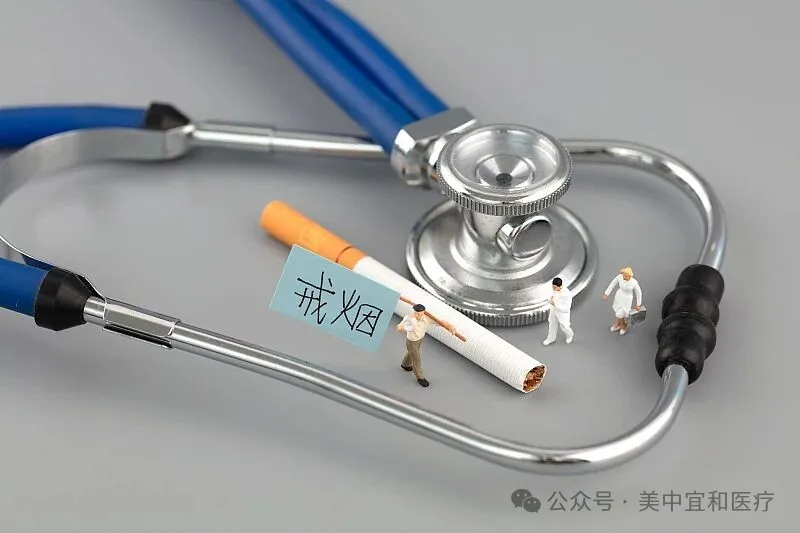
Why "Just Quitting" Is Harder Than It Sounds
Many people believe smoking is simply a bad habit that can be overcome with enough discipline. When they fail, they blame themselves for being weak. But medically, repeated failure to quit is usually a sign of tobacco dependence — a chronic condition that changes how the brain works.
The brain has two systems that control behavior:
- The "accelerator" — the brain's reward center, which produces pleasure and drives you to repeat an experience.
- The "brake" — the prefrontal control system, which helps you weigh consequences and resist impulses.
Nicotine from cigarettes hits the accelerator hard, creating a rapid sense of pleasure. Over time, heavy smoking dulls the brake system. When the accelerator is stuck on and the brake is slow to respond, cravings become overwhelming. This is especially dangerous for teenagers: the adolescent brain is still developing, and early nicotine exposure can permanently weaken impulse control, increasing the risk of anxiety and depression later in life.
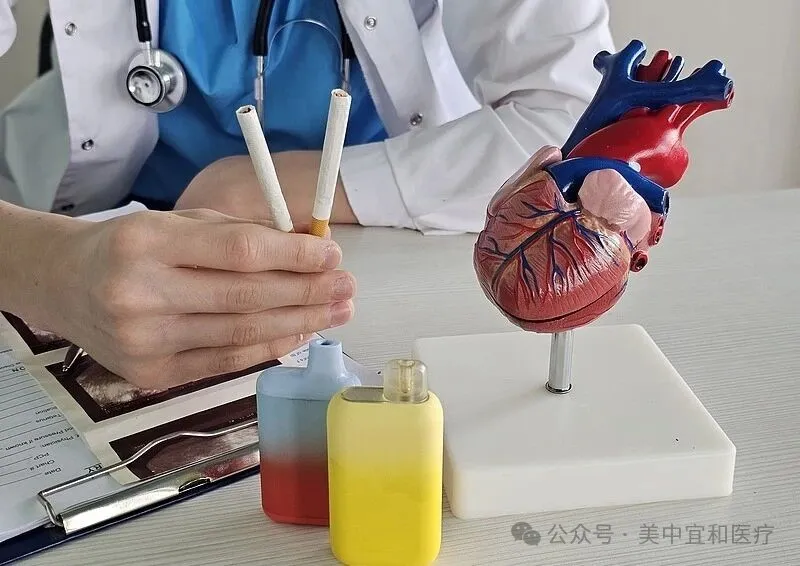
The Damage Goes Far Beyond Lung Cancer
Most people associate smoking with lung cancer, but its health impact is much broader. Tobacco smoke contains more than 7,000 chemicals, at least 69 of which are recognized carcinogens by the World Health Organization. These substances enter the bloodstream through the lungs and travel to nearly every organ in the body.
Major Health Risks of Smoking
- Chronic obstructive pulmonary disease (COPD): Persistent smoking causes chronic bronchitis and emphysema, leading to progressive breathlessness.
- Cardiovascular disease: Damaged blood vessels allow LDL cholesterol to form plaques, raising the risk of heart attack, stroke, aortic dissection, aortic aneurysm, and peripheral artery disease.
- Cancer: Smoking significantly increases the risk of lung, throat, mouth, esophageal, bladder, kidney, pancreatic, and cervical cancers.
- Secondhand exposure: Indoor smoking can raise PM2.5 levels above 1,000 μg/m³. Fine particles cling to fabrics for weeks, putting pregnant women and children at higher risk.
Unlike age or family history, smoking is a major risk factor you can change. In fact, its impact on atherosclerosis is even greater than the well-known "three highs" — high blood pressure, high cholesterol, and high blood sugar.
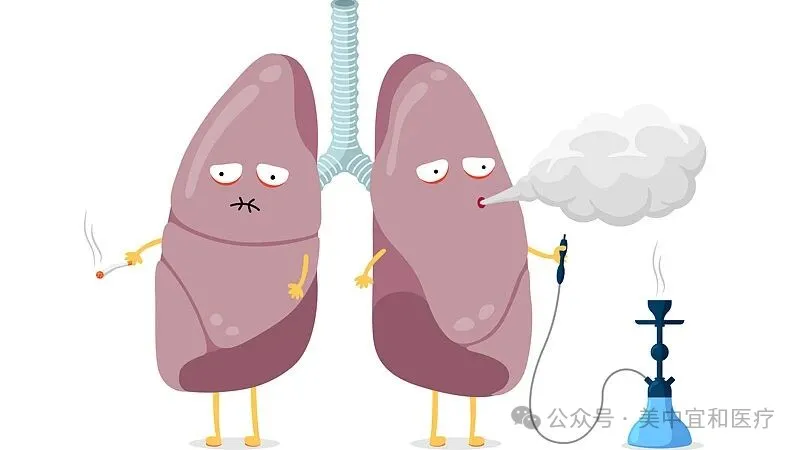
E-Cigarettes: A Hidden Accelerator of Addiction
E-cigarettes are often marketed as a safer alternative, but they are not risk-free. When e-liquid is heated to 200–300°C, nicotine and propylene glycol can break down into formaldehyde, acetaldehyde, and other toxic compounds that are inhaled deep into the lungs and absorbed into the blood.
Discreet and Easy to Hide
Because e-cigarettes produce little odor, they are often used in schools, offices, and public spaces without detection. This makes them a common gateway to nicotine addiction for both teens and adults.
Can Increase Total Nicotine Use
Many users combine e-cigarettes with traditional cigarettes, pushing total daily consumption as high as 60 cigarettes per day. This pattern can deepen dependence rather than reduce it.
What to Expect at AMCARE Beijing's Quit-Smoking Clinic
Quitting alone is difficult, but quitting with professional support is far more effective. At AMCARE Beijing, the quit-smoking clinic treats tobacco dependence as a whole-person condition — combining medical assessment, medication support, and behavioral coaching.
1. Set a Clear Goal
Before any treatment begins, the doctor helps you define why you want to quit. A clear, personal motivation is more powerful than a vague resolution.
2. Medical Intervention for Withdrawal
Common withdrawal symptoms — irritability, insomnia, poor concentration — are addressed with evidence-based tools such as nicotine replacement therapy (gum, patches, spray) or non-nicotine medications that reduce cravings.
3. Break the Psychological Habit
Patients are encouraged to keep a "smoking diary" to record when, where, and why they smoke. Identifying triggers — such as after meals or during stress — allows the doctor to design specific replacement strategies.
4. Lifestyle and Social Support
Diet, exercise, and sleep adjustments are built into the plan. Family members are also guided on how to support the quitter without blame or pressure.
Tailored Advice for Different Groups
For Parents
A smoke-free home is one of the most meaningful protections you can give your child — from pregnancy through adolescence. Teenage brains are especially vulnerable to nicotine, and a family culture that avoids tobacco helps children develop their own internal reasons to stay away from it.
For Young People and Students
Smoking is not "cool." Early nicotine use can damage the brain's brake system at a time when it is still maturing, potentially affecting decision-making and mental health for decades. Stress from school is not a reason to smoke — there are healthier ways to cope.
For Long-Term Smokers
Trying to "cut down gradually" often backfires and leads to heavier relapse. Under medical supervision, a planned quit date combined with medication is usually more successful than slowly tapering on your own.
You Do Not Have to Quit Alone
Quitting smoking is not a test of moral strength. It is a health battle that is easier to win with the right team beside you. At AMCARE Beijing's quit-smoking clinic, complex addiction is broken down into clear, manageable steps — from medication to behavior change to family support.
"Every cigarette not smoked is a step toward better lungs, a healthier heart, and a longer life. The right help makes the difference between trying again and succeeding for good."
— AMCARE Beijing Quit-Smoking Clinic
Ready to quit? Contact AMCARE Beijing's international patient services to schedule a consultation with the quit-smoking clinic and build your personalized cessation plan.